
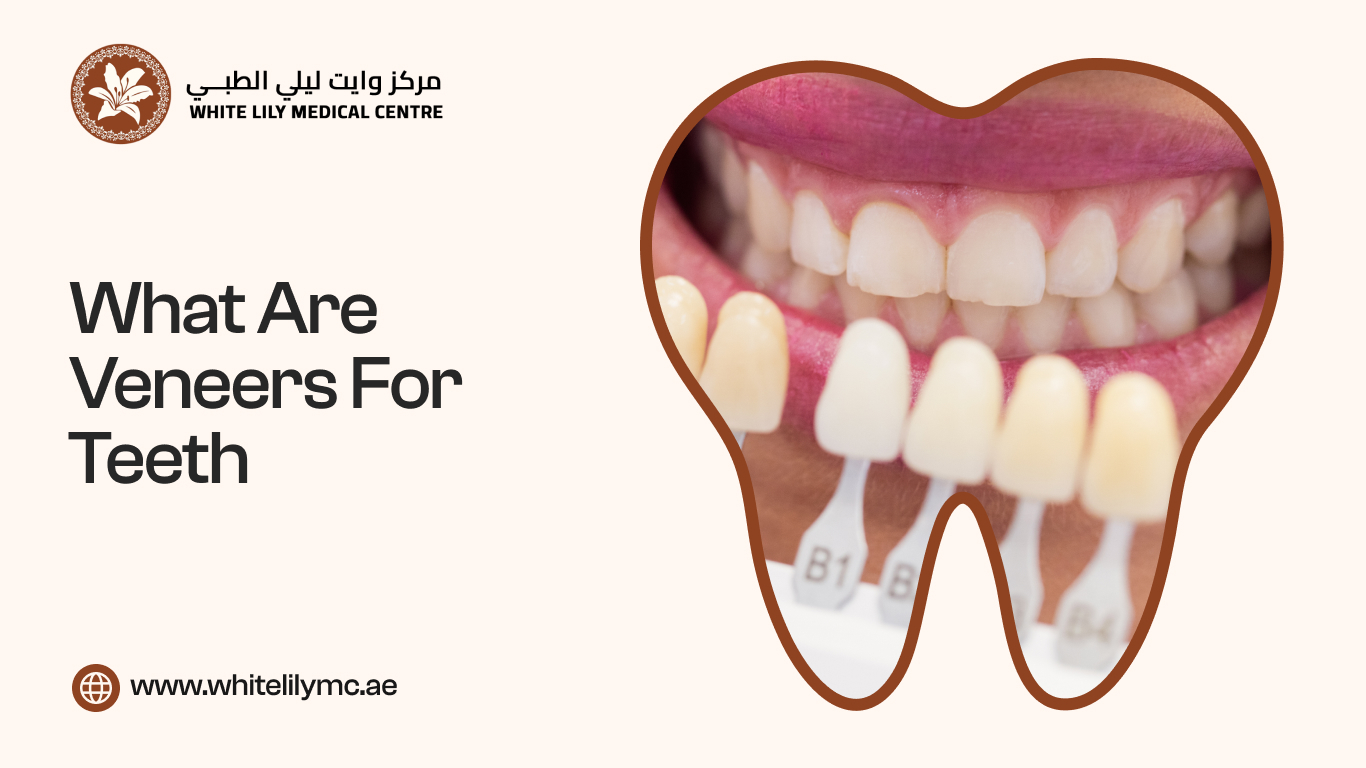
Dental veneers have become one of the most sought-after solutions in cosmetic dentistry for individuals looking to enhance the appearance of their smile. Veneers are thin, custom-made shells that cover the front surface of teeth, providing a natural-looking smile while addressing a variety of cosmetic issues. They offer an effective way to improve uneven teeth, chipped teeth, tooth discoloration, misshapen teeth, and worn teeth. By restoring teeth with veneers, patients can achieve a confident smile while maintaining the integrity of the underlying teeth.
Many patients seeking a flawless smile explore dental veneer services provided by professional clinics. Cosmetic dentists at top centers like Whitelily Medical Center offer consultation, custom veneer fabrication, and expert placement to ensure a natural-looking smile. Veneers work by bonding to the front surface of otherwise healthy teeth, allowing cosmetic dentists to correct imperfections without extensive alteration to the natural tooth structure. The process requires a small amount of enamel removal in most cases, which is essential for proper veneer placement.
Why People Choose Dental Veneers
Dental veneers offer multiple benefits beyond aesthetics. They are popular and a permanent solution for patients seeking long-lasting results. Many individuals choose veneers to address tooth discoloration that cannot be treated effectively with teeth whitening. Porcelain veneers, in particular, are stain-resistant and maintain their natural-looking appearance over time. Composite veneers offer a less invasive alternative and are often used when cost considerations or temporary improvements are needed. Temporary veneers can also be applied while custom veneers are being fabricated, allowing patients to visualize the final result and make adjustments before permanent veneer placement.
Veneers also provide a solution for chipped teeth, worn teeth, or uneven teeth that affect the natural smile. They allow cosmetic treatment without extensive dental interventions and can close small gaps between teeth. Patients with minor alignment issues may benefit from veneers as they improve aesthetics without the need for traditional braces. Palatal veneers and snap-on veneers provide additional options for patients seeking removable veneers for short-term cosmetic improvements, making veneers a versatile solution in modern dental treatments.
Types of Dental Veneers
There are several types of dental veneers, each designed to meet different cosmetic and functional needs. Understanding the options helps patients make informed decisions about their veneer treatment.
Traditional Porcelain Veneers
Traditional porcelain veneers are custom-made shells created in a dental laboratory. They are designed to cover the front surface of teeth and provide a natural-looking smile. These veneers require a small amount of enamel removal to ensure proper bonding with dental cement. Porcelain veneers are highly durable, stain-resistant, and mimic natural tooth enamel, making them a preferred choice for patients seeking long-term cosmetic results. The cost of porcelain veneers varies depending on the number of teeth treated, the complexity of the case, and the expertise of the cosmetic dentist.
Composite Resin Veneers
Composite resin veneers are made from resin-based composite materials and offer a more affordable alternative to porcelain veneers. These veneers can often be applied in a single visit and may require less enamel removal compared to traditional porcelain veneers. Composite veneers provide a natural appearance and can be repaired or replaced easily. While they may not last as long as porcelain veneers, proper care with a soft-bristle toothbrush and non-abrasive fluoride toothpaste ensures durability and maintains oral health.
Temporary Veneers
Temporary veneers are used to protect teeth during veneer fabrication or for patients seeking a preview of the final result. They are usually removable and offer a natural appearance, while the custom veneers are made in a dental laboratory. Temporary veneers allow cosmetic dentists to test the shape, color, and fit before committing to permanent veneers. This approach ensures patient satisfaction and a flawless smile once the final veneers are placed.
Less Invasive and No Prep Veneers
Less enamel removal or no prep veneers are ideal for patients who require minor cosmetic changes. These veneers preserve more natural enamel and can be applied with minimal tooth preparation. They are often chosen for small corrections, covering minor discoloration, or improving the appearance of slightly misshapen teeth. While less invasive, proper veneer placement and maintenance are crucial to prevent damage and ensure longevity.
How Veneers Work
Veneer treatment begins with a thorough evaluation by a cosmetic dentist to assess oral health, the condition of natural enamel, and the suitability of the patient for veneers. Tooth preparation involves removing a thin layer of enamel to allow the veneers to fit seamlessly with surrounding teeth. The veneer fabrication process occurs in a dental laboratory, where porcelain or composite resin veneers are custom-made to match the natural tooth surface and create a beautiful smile.
Once the veneers are ready, the dentist bonds them to the tooth surface using dental cement. Proper veneer placement is essential for a natural appearance and long-lasting results. Veneers require regular dental visits to monitor their condition, prevent tooth decay, and maintain healthy teeth. With proper care, veneers offer a long-term solution for enhancing aesthetics while preserving natural tooth enamel and overall oral health.
Benefits of Veneers
Dental veneers offer numerous advantages that make them a preferred choice in cosmetic dentistry. They cover the front surface of teeth, correcting imperfections such as tooth discoloration, chipped teeth, worn teeth, uneven teeth, and misshapen teeth. Veneers provide a natural-looking smile that closely resembles natural teeth, offering a confident smile that enhances self-esteem.
Porcelain veneers are highly durable, stain-resistant, and maintain their natural appearance for many years. Composite resin veneers offer flexibility and can be repaired or replaced easily. Veneers work effectively for teeth that cannot be corrected with teeth whitening or other dental treatments, making them a versatile option for cosmetic enhancement. The procedure is relatively painless and minimally invasive, preserving natural tooth structure while improving aesthetics.
Veneers also help maintain oral health by covering teeth with a thin layer of protective material. This reduces the risk of further enamel damage and supports healthy teeth when combined with proper care. Using a soft-bristle toothbrush and non-abrasive fluoride toothpaste ensures the longevity of veneers while promoting gum health and preventing tooth decay.
Risks and Considerations
Although veneers offer numerous benefits, patients must be aware of certain limitations. Veneers require the removal of a small amount of enamel, making the procedure permanent. They may not be suitable for patients with serious oral health issues, active gum disease, or significant tooth decay. Veneers may be damaged by habits such as teeth grinding or chewing hard foods, so protective measures like night guards may be recommended.
Porcelain veneers cost more than composite resin veneers, and insurance coverage is typically limited for cosmetic treatments. Patients may experience temporary sensitivity after veneer placement, which usually resolves within a few days. Cosmetic dentists carefully evaluate each patient to determine the most appropriate veneer treatment and ensure long-lasting results while maintaining natural tooth enamel and surrounding teeth.
Veneers vs Other Dental Treatments
Veneers offer cosmetic improvement that differs from other dental treatments. Teeth whitening improves color but cannot correct chipped teeth, uneven teeth, or misalignment. Dental crowns restore teeth with significant damage but require more extensive removal of natural enamel. Resin-based composite veneers provide a faster and less invasive option for patients seeking aesthetic enhancement. Palatal veneers and snap-on veneers offer removable solutions for short-term cosmetic improvement. Choosing between veneers and other treatments depends on the condition of natural teeth, oral health, and desired cosmetic results.
Veneer placement is a key aspect of the process, as proper bonding ensures a natural appearance and durability. Dental cement securely attaches veneers to the tooth surface, and custom-made shells are designed to fit precisely over the front surface of teeth. Regular dental visits allow cosmetic dentists to monitor the condition of veneers, maintain gum health, and prevent tooth decay. With proper care, veneers offer a long-term solution that improves aesthetics and supports overall oral health.
Caring for Veneers
Proper care is essential to maintain the appearance and longevity of veneers. Daily brushing with a soft-bristle toothbrush and non-abrasive fluoride toothpaste removes plaque and prevents staining. Flossing between teeth ensures healthy gums and prevents tooth decay along the edges of veneers. Avoiding hard foods or habits that may chip teeth helps protect veneers from damage. Regular dental visits allow cosmetic dentists to check veneer integrity, polish surfaces, and address minor issues before they become major problems. Proper maintenance ensures veneers remain stain-resistant and continue to provide a natural-looking smile.
Frequently Asked Questions
Are veneers painful?
Veneers are generally not painful, as tooth preparation involves minimal enamel removal, and local anesthesia can be used to ensure comfort during the procedure.
How long do dental veneers last?
Porcelain veneers can last between ten and twenty years with proper care, while composite veneers typically last five to seven years, depending on oral hygiene and habits.
Can veneers be removed?
Permanent veneers cannot be removed without professional intervention, which makes careful planning and consultation with a cosmetic dentist essential.
Do veneers damage natural teeth?
Veneers require a small amount of enamel removal, which is permanent, but they do not harm otherwise healthy teeth when placed by an experienced cosmetic dentist.

