
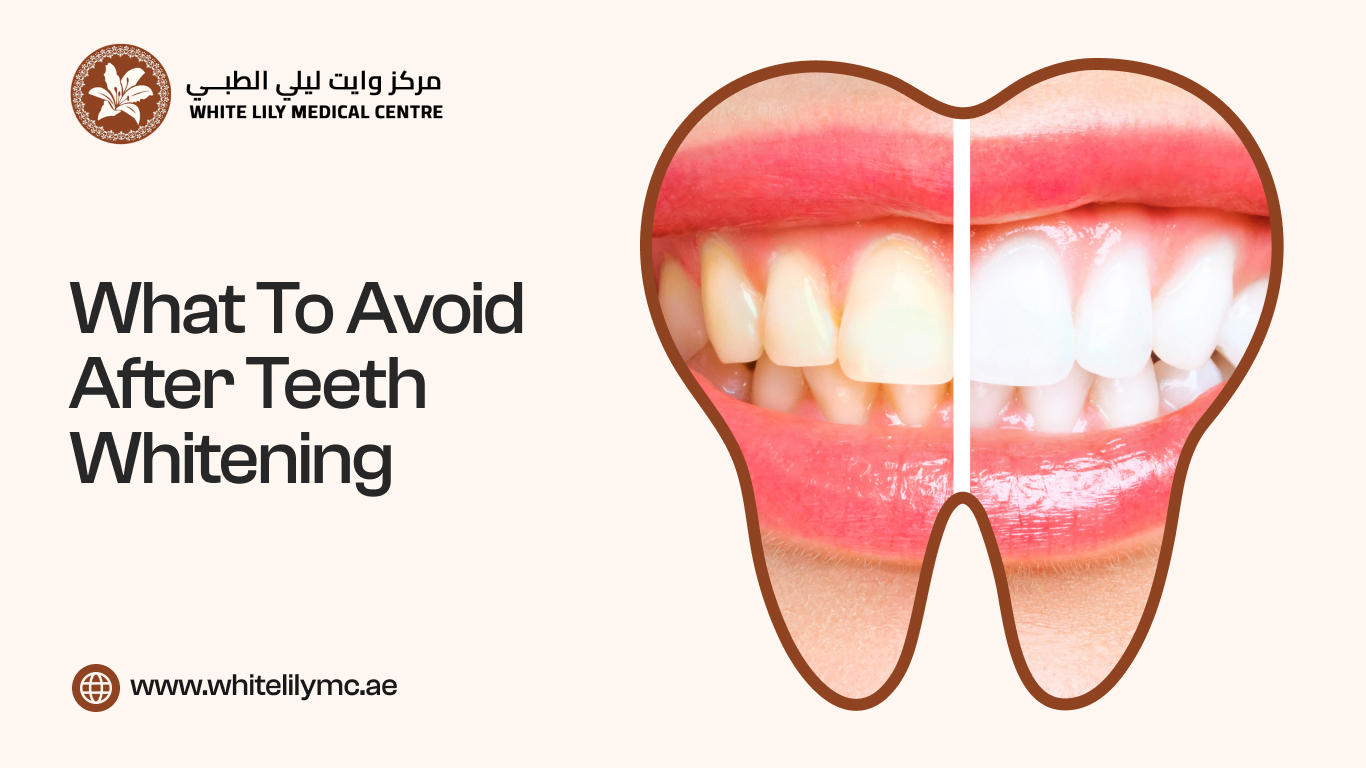
Achieving a brighter smile with a professional teeth whitening treatment is only the first step in maintaining long-lasting results. Newly whitened teeth are more porous than usual, which makes them particularly vulnerable to staining and damage during the first 24 to 48 hours after the whitening procedure. Understanding what to avoid after teeth whitening can help protect your newly whitened smile and prevent tooth staining from foods, drinks, and lifestyle habits. Choosing the right food and drink choices and following professional advice ensures that your teeth whitening results last longer and your oral health remains optimal.
A professional whitening treatment uses a peroxide-based substance to remove deep stains from tooth enamel, resulting in a whiter smile. This whitening process temporarily increases tooth sensitivity, and freshly whitened teeth absorb pigments more readily. Any exposure to dark sauces, colored foods and beverages, or highly acidic foods during this time can cause new stains or even enamel erosion. Dental professionals recommend following a white diet immediately after the treatment, focusing on light colored foods, water, and soft items that do not compromise the whitening results.
Why You Must Avoid Certain Foods and Drinks After Whitening
During a teeth whitening procedure, the enamel becomes temporarily softer and more susceptible to pigments from food and drink. Newly whitened teeth are especially vulnerable because the whitening agents open microscopic pores in the enamel. These pores allow stains to penetrate more easily, meaning that consuming colored beverages, acidic foods, or sugary items can quickly reverse the whitening results. Even commonly consumed drinks like coffee, fruit juices, and sports drinks can lead to discoloration if consumed too soon after the treatment. Choosing a white diet of pale foods and drinking water immediately afterward can help protect your newly whitened teeth.
Tooth sensitivity is another consideration during the first few days after the teeth whitening treatment. Acidic foods and citrus fruits can exacerbate sensitivity while increasing the risk of enamel erosion. Highly pigmented foods, including dark fruits, tomato-based sauces, and dark-colored condiments, should be avoided to prevent tooth staining. Being mindful of food and drink choices after whitening is as important as the procedure itself because it directly impacts how long your whiter smile lasts.
Drinks to Avoid After Teeth Whitening
Certain drinks are notorious for staining teeth quickly and should be avoided immediately after a professional teeth whitening session.
Coffee and Tea
Coffee contains a substance called tannins, which can attach to tooth enamel and leave stains on freshly whitened teeth. Tea, especially black or green, also has tannins and pigments that can make your teeth appear dull shortly after the whitening treatment. For those who enjoy their morning cup, it is best to steer clear of coffee and tea for at least 48 hours after the whitening procedure.
Red Wine and Dark Colored Alcohol
Red wine is one of the leading causes of tooth staining due to its deep color and acidity. Even white wine, while lighter, contains acids that can temporarily weaken enamel and increase tooth sensitivity. Drinking alcohol with dark pigments or high acidity immediately after whitening can undo the benefits of the teeth whitening procedure.
Dark Sodas and Sports Drinks
Cola, sports drinks, and other dark-colored sodas contain artificial colouring and acids that erode enamel and leave teeth vulnerable to new stains. Diet versions reduce sugar but do not prevent staining, so it is crucial to steer clear of these beverages for at least two days after your whitening treatment.
Whitelily Medical Center recommends choosing water or pale drinks in the first 48 hours to protect enamel and preserve whitening results.
Fruit Juices
Juices from grapes, cranberries, cherries, and pomegranates have strong pigments that settle quickly into newly whitened teeth. Even vegetable juices with deep colors, such as purple cabbage or beet-based juices, should be avoided until the enamel fully rehardens. Choosing water immediately afterward any meal helps flush out pigments and minimize the risk of tooth staining.
Foods to Avoid After Teeth Whitening
Some foods can quickly undo whitening results due to their pigment or acidity. A white diet can help preserve your whiter teeth while reducing tooth sensitivity.
Tomato Sauces and Highly Pigmented Foods
Tomato sauces, salsa, and ketchup are high in pigment and acidity, making them a major risk for staining. Similarly, dark fruits like blueberries, blackberries, and cherries can stain teeth quickly. Eating these foods too soon after a professional teeth whitening session can compromise your brighter smile.
Dark Sauces and Soy Sauce
Dark sauces such as soy sauce, teriyaki, and balsamic vinegar are rich in color and can adhere to enamel, leading to new stains. Avoiding these dark colored sauces for the first 48 hours is essential to maintaining a newly whitened smile.
Strongly Colored Spices
Turmeric, curry, and saffron are highly pigmented and can penetrate tooth enamel while it is still vulnerable. Heavily seasoned dishes should be avoided to ensure teeth whitening results remain intact.
Acidic and Sugary Foods
Citrus fruits, pickled foods, and highly acidic items can temporarily weaken enamel and increase tooth sensitivity. Sugary candies, chocolate, and sticky sweets not only contribute to tooth decay but can also leave pigments behind, which stain your teeth after whitening.
Tobacco Products
Smoking or using tobacco products can rapidly discolor teeth, even after a professional whitening treatment. Avoiding tobacco entirely ensures a smile bright and reduces the need for touch-up treatments.
Safe Foods to Enjoy After Whitening
Following a white diet of safe foods protects enamel and supports recovery. Light colored foods are gentle on newly whitened teeth and help maintain a radiant smile.
Examples include white rice, egg whites, white fish, white sauce, white cheese, leafy greens, and water. These foods minimize contact with pigments and acids while supporting overall oral health. Soft, pale items also help prevent tooth sensitivity and reduce the risk of enamel erosion. Drinking water immediately after meals or snacks flushes away residue and supports whitening results.
Best Practices for Maintaining Whitening Results
Maintaining a whiter smile requires more than avoiding specific foods and drinks. Brushing with fluoride toothpaste, flossing daily, and rinsing after meals protect tooth enamel and minimize new stains. Waiting 30 minutes after consuming acidic foods before brushing is recommended to prevent enamel erosion. Regular visits to a professional whitening services provider or dentist help monitor overall oral health and prolong the effects of your teeth whitening treatment.
Dental professionals recommend extending the cautious approach for patients with particularly sensitive enamel or a history of rapid staining. Using water immediately after meals, avoiding dark sauces and beverages, and sticking to light colored foods ensures that your whiter teeth remain vibrant for months. Gradually reintroducing colored items while maintaining excellent oral hygiene allows for a balanced diet without compromising your radiant smile.
Frequently Asked Questions
How long should I avoid foods and drinks that stain teeth?
Dental professionals recommend avoiding pigmented and acidic foods for at least 48 hours after a teeth whitening treatment, but extending this period may help maintain a whiter smile.
Can I drink coffee or red wine after whitening
Both coffee and red wine can stain teeth quickly, so it is best to avoid them during the critical first 48 hours after a whitening procedure.
Are fruits and vegetables safe to eat after whitening
Light colored fruits and vegetables, such as leafy greens, ns are safe, while dark fruits like berries and purple cabbage should be avoided until enamel rehardens.
Does whitening increase tooth sensitivity?
Yes, tooth sensitivity is common after a professional teeth whitening treatment, and avoiding highly acidic foods and dark colored sauces helps minimize discomfort.

