
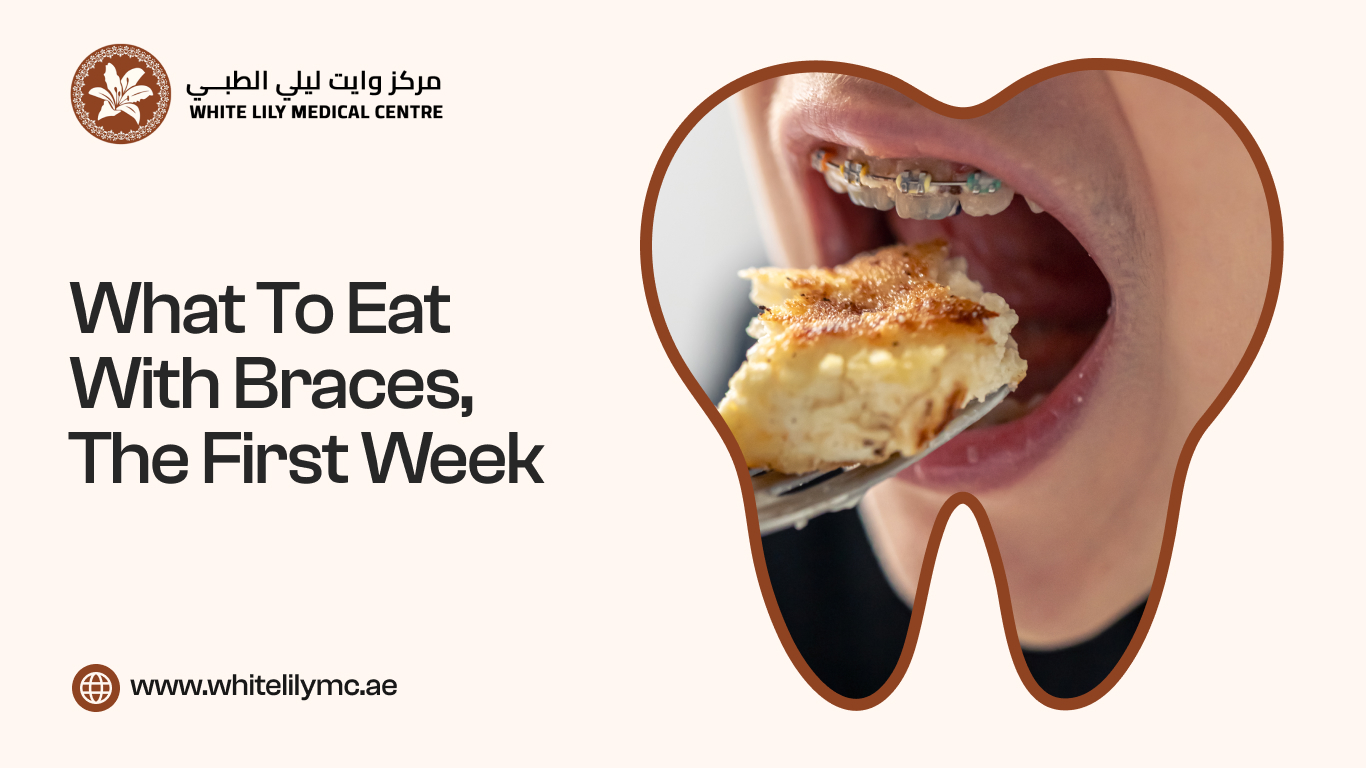
Getting braces can be exciting, but the first week can also be challenging for your teeth. After your braces are fitted, it is common to feel soreness and discomfort. Eating with braces during this period requires planning so you can enjoy meals without causing pain or damaging your braces. The first days are crucial because your teeth and gums are adjusting to new pressure. Choosing the right foods helps make this adjustment smoother while protecting your braces. For proper tips and techniques on maintaining your braces, follow professional Braces Care Guidance.
There are some simple rules to follow during the first week. Soft foods are your best option, and foods that are hard, sticky, or chewy should be avoided. If you follow this approach, your mouth will adapt more quickly, and you can prevent unnecessary damage to your braces. This is the time to focus on comfort, nutrition, and healing.
Soft Foods You Can Eat With Braces
Dairy and Smooth Options
Soft dairy products can be very comforting for your teeth. Yogurt is a popular choice because it is easy to eat and full of nutrients. Cottage cheese and ricotta are soft and gentle on your teeth. Smoothies made with milk or yogurt provide energy and vitamins, and you can add soft fruits to make them more satisfying. Eating with braces does not mean missing out on essential nutrients, and dairy is a good way to make sure you get protein and calcium in the first week.
Gentle Protein Options
Proteins help your teeth and gums stay strong while your braces settle. Scrambled eggs are soft and easy to eat, making them perfect for breakfast or a light meal. Soft cooked fish such as salmon or tilapia flakes easily and can be eaten without discomfort. Shredded or slow-cooked chicken provides protein that is gentle on your teeth. Tofu and well-cooked beans are ideal for plant-based diets, and they can be included in a variety of meals during the first week.
Carbs and Grains
Carbs give your body energy, and some soft options can be included in meals without difficulty. Well-cooked pasta or noodles with smooth sauces are gentle on your braces. Oatmeal or cream-of-wheat cereal is a comforting breakfast choice that you can eat without pressure on your teeth. Soft bread without crust or tortillas can be used for sandwiches, making it easier to enjoy a balanced meal. Rice and soft grains such as quinoa or couscous can be cooked longer to make them tender and braces-friendly.
Vegetables and Fruits
Soft vegetables and fruits are essential for vitamins and minerals. Mashed potatoes or sweet potatoes are easy to eat and comforting for sore gums. Steamed or boiled vegetables like carrots, zucchini, and squash become soft enough to chew with minimal discomfort. Soft fruits such as bananas, peaches, and pears are easy to eat. Applesauce is a sweet and gentle alternative to harder fruits. Eating with braces is easier when you focus on soft, cooked, or mashed options in this category.
Soups and Liquids
Warm soups and broths are excellent for hydration and nutrition. Blended vegetable soups can be eaten without chewing, making them perfect for the first week. Broths or noodle soups with soft noodles provide calories and comfort. Liquids and soft foods help you maintain energy while your teeth adjust to the braces.
Foods to Avoid During the First Week
Certain foods can damage your braces or increase discomfort. Hard foods such as nuts, raw carrots, and crunchy snacks should be avoided. Sticky foods like caramel, taffy, and gum can get stuck on brackets and wires, making cleaning difficult. Tough meats and chewy breads put extra pressure on your teeth and can cause brackets to loosen. Popcorn can lodge in braces and cause problems. Extreme hot or cold foods can also increase sensitivity and discomfort in your teeth.
It is important to remember that what you eat affects your braces and oral health. Avoiding these foods in the first week ensures that your teeth and gums adjust properly. Eating with braces safely helps you start your orthodontic journey on the right track.
Meal Ideas for the First Week
Planning your meals can help you manage eating with braces. Breakfast could be scrambled eggs or oatmeal with soft fruit. Lunch could include blended soups with soft noodles or mashed vegetables. Snacks can be yogurt, pudding, or smoothies. Dinner might consist of soft fish, mashed potatoes, or well-cooked pasta with smooth sauces. These options make it easier for you to eat without pain and get the nutrition your teeth need.
You can also try alternating food textures gently. For example, soft mashed vegetables can be combined with soft proteins. Smoothies can include soft fruits and yogurt. Eating with braces is easier when you prepare foods that are gentle but still satisfying.
Tips to Make Eating With Braces Easier
Eating with braces requires patience and attention. Cut food into small pieces so your front teeth do not have to do too much work. Chew slowly and use your back teeth to reduce strain. Rinse your mouth after meals to remove particles that may get trapped on your braces. Drink water throughout the day to maintain hydration and help keep your teeth clean. Let warm foods cool slightly before eating to avoid discomfort. Soft foods are your ally in the first week and they also help maintain oral hygiene.
How a Soft Diet Protects Your Braces
Eating the right foods is more than a comfort strategy. Hard and sticky foods can damage brackets and wires, delaying treatment. Soft foods reduce the risk of trapped particles, making cleaning easier and keeping your teeth healthier. Following a soft food diet in the first week will also minimize pain and allow your braces to work as intended. This is one of the best ways to start your orthodontic treatment successfully.
When You Can Start Eating More Normally
Most people find that soreness decreases after seven to ten days. Once your teeth adjust, you can begin eating firmer foods carefully. Small pieces of cooked meat, soft breads, and tender vegetables can be added gradually. You should still avoid very hard, crunchy, or sticky foods until your orthodontist confirms it is safe. Maintaining good oral hygiene while introducing new foods is essential for long-term health. For ongoing support and services, visit White Lily Medical Center.
Final Thoughts
The first week with braces sets the tone for your entire orthodontic journey. Choosing the right foods ensures comfort, protects your braces, and supports nutrition. Yogurt, scrambled eggs, soft fish, mashed potatoes, well-cooked pasta, and smoothies are all ideal choices. Cutting food into small pieces, chewing gently, and staying hydrated make eating with braces manageable. Following these tips in the first week helps your teeth and braces adjust smoothly, laying the foundation for a healthy, beautiful smile.

