
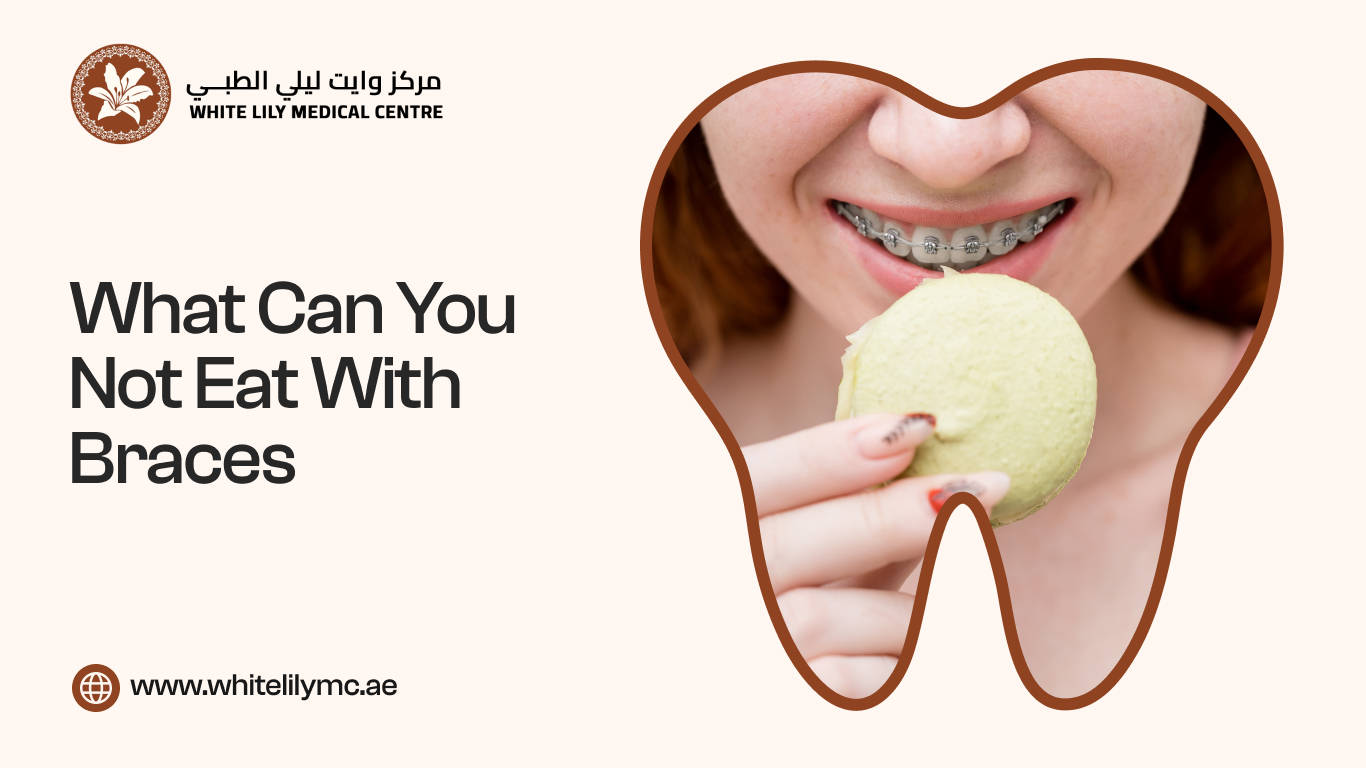
Wearing braces changes the way teeth respond to pressure, which makes daily food choices more important than most orthodontic patients expect. Many people search for what you cannot eat with braces because a single wrong bite can bend wires, break brackets, or create discomfort that lasts for days. Understanding these limits early helps adults and parents protect orthodontic appliances while still enjoying meals.
During the first days of braces treatment, teeth often feel a little tender, and gums may feel sore, which increases the risk of damage from hard or sticky foods. Following proper Braces care tips early supports oral hygiene and keeps orthodontic treatment moving in the right direction without unnecessary repairs.
Why Food Choices Matter During Orthodontic Treatment
Braces work by applying steady pressure that slowly moves teeth into the correct position. This process relies on wires, brackets, and bands staying intact and properly adjusted. Hard foods, chewy foods, and sticky foods interfere with this balance and can disrupt treatment progress.
Poor food choices also raise tooth decay because food gets stuck around orthodontic appliances more easily. Sugar buildup leads to plaque, which weakens tooth enamel and may cause gum disease. Choosing safe foods supports oral health and protects overall health throughout treatment.
Hard Foods You Should Avoid With Braces
Hard foods are among the most damaging items for orthodontic patients because they require biting force that braces cannot handle safely. Biting into hard foods transfers pressure directly to brackets, which often leads to breaking brackets or bent wires.
Raw vegetables like carrots and corn pose a major risk when eaten whole. Hard nuts, hard rolls, hard candies, hard chocolate, and ice place sudden pressure on front teeth where brackets are most vulnerable. These foods also increase enamel stress, which may lead to long-term sensitivity.
Cut food into small pieces when possible, though many hard foods remain unsafe even after preparation. Avoiding these items protects wires and reduces discomfort.
Chewy Foods That Bend Wires and Slow Treatment
Chewy foods stretch and pull orthodontic appliances during each bite. Items such as gummy bears, gummy candies, dried fruits, beef jerky, and thick pizza crusts require repeated chewing that strains wires and loosens brackets.
Stretching motions also increase the chance of food getting stuck, which harms oral hygiene. Sugar trapped around braces feeds bacteria and raises tooth decay. Choosing soft foods instead supports smoother progress and shorter treatment time.
Sticky Foods That Get Stuck in Braces
Sticky foods cling tightly to brackets and wires, which makes them difficult to remove even with careful brushing. Chewing gum, caramel taffy, gummy candies, and foods high in sugar often remain stuck in the mouth long after eating.
Residue buildup damages tooth enamel and increases gum disease risk. Sticky textures also pull on orthodontic appliances, which causes wires to bend out of shape. Steering clear of sticky foods protects braces and simplifies daily cleaning.
Crunchy Foods That Damage Braces
Crunchy foods often break into sharp fragments that lodge between back teeth and wires. Chips, popcorn, light crackers, and toasted breads frequently cause irritation and increase the risk of cavities when debris stays trapped.
Fragments near brackets create discomfort and make brushing less effective. Choosing softer textures keeps meals comfortable and lowers the chance of emergency orthodontic visits.
Foods That Require Biting With Front Teeth
Biting directly with front teeth creates the highest risk for bracket damage. Whole apples, chicken wings, corn on the cob, thick sandwiches, and hard rolls require pressure that orthodontic appliances cannot safely absorb.
Using back teeth instead reduces risk, but cutting food into small pieces remains essential. This habit allows orthodontic patients to eat with braces while protecting wires and brackets.
Can You Eat Ice Cream With Braces
Ice cream without hard mix-ins is usually safe during braces treatment, especially during the early days when teeth feel sensitive. Soft ice cream without nuts, crunchy toppings, or hard chocolate offers comfort and can help reduce discomfort after adjustments.
Frozen treats should be eaten slowly to protect tooth enamel. Rinsing the mouth afterward limits sugar exposure and supports oral hygiene.
Soft Foods That Support Bracing Treatment
Soft foods reduce strain on orthodontic appliances while still supporting a balanced diet. Mashed potatoes, baked fish, cottage cheese, soft breads, lunch meats, soft fruits, steamed spinach, and well-cooked vegetables fit well into a braces-friendly diet.
These foods require minimal chewing, which lowers pressure on wires and brackets. Soft textures allow orthodontic patients to enjoy eating without constant worry about damage.
Eating With Braces During Meals and Social Events
Dining outside the home often presents challenges because many common foods are unsafe for braces. Pizza crusts, crunchy snacks, tough meat, and sticky desserts increase the risk of damage and discomfort.
Planning ahead helps reduce stress by choosing safer menu options and cutting food into small pieces before eating. Awareness keeps social situations comfortable and enjoyable.
Breaking Brackets and Extending Treatment Time
Damage to orthodontic appliances often leads to longer treatment. Repairs require extra visits and adjustments, which delay progress toward straight teeth and a beautiful smile.
Each broken bracket or bent wire can add weeks to braces treatment. Consistently avoiding risky foods protects progress and reduces overall time spent in braces.
Avoid With Braces to Protect Oral Health
Certain foods increase oral health risks even when they do not break braces. Sugary snacks, acidic drinks, and frequent snacking feed bacteria, which raises tooth decay and gum disease risk during orthodontic treatment.
Strong oral hygiene habits combined with smart food choices protect tooth enamel and gums. Brushing carefully and cleaning around wires supports long-term dental health.
Clear Aligners and Food Considerations
Clear aligners allow removal during meals, which reduces direct food damage. Patients using aligners must still protect tooth enamel by avoiding foods high in sugar and acid.
Cleaning aligners after meals remains important to prevent bacterial buildup. Discipline supports consistent progress and healthy results.
General Rules for Eating With Braces
Successful braces treatment depends on following simple daily habits. Avoid foods that require biting, steer clear of sticky and chewy textures, cut food into small pieces, and choose soft options whenever possible.
Staying consistent protects orthodontic appliances and reduces worry. Patience with food limits leads to smoother treatment and better results.
Long-Term Benefits of Following Food Guidelines
Careful food choices protect more than braces alone. Reduced damage lowers repair visits and supports better oral hygiene throughout treatment.
Healthy habits developed during braces often continue afterward, which benefits overall health and confidence. Commitment leads to a strong foundation for lifelong dental care.
Final Thoughts on Foods to Avoid With Braces
Understanding what you cannot eat with braces helps orthodontic patients protect their investment and avoid unnecessary discomfort. Smart choices prevent damage, support oral health, and keep treatment moving forward.
Professional guidance and routine care play a key role in success. Clinics like White Lily Medical support patients with expert orthodontic care and guidance throughout every stage of treatment.

