
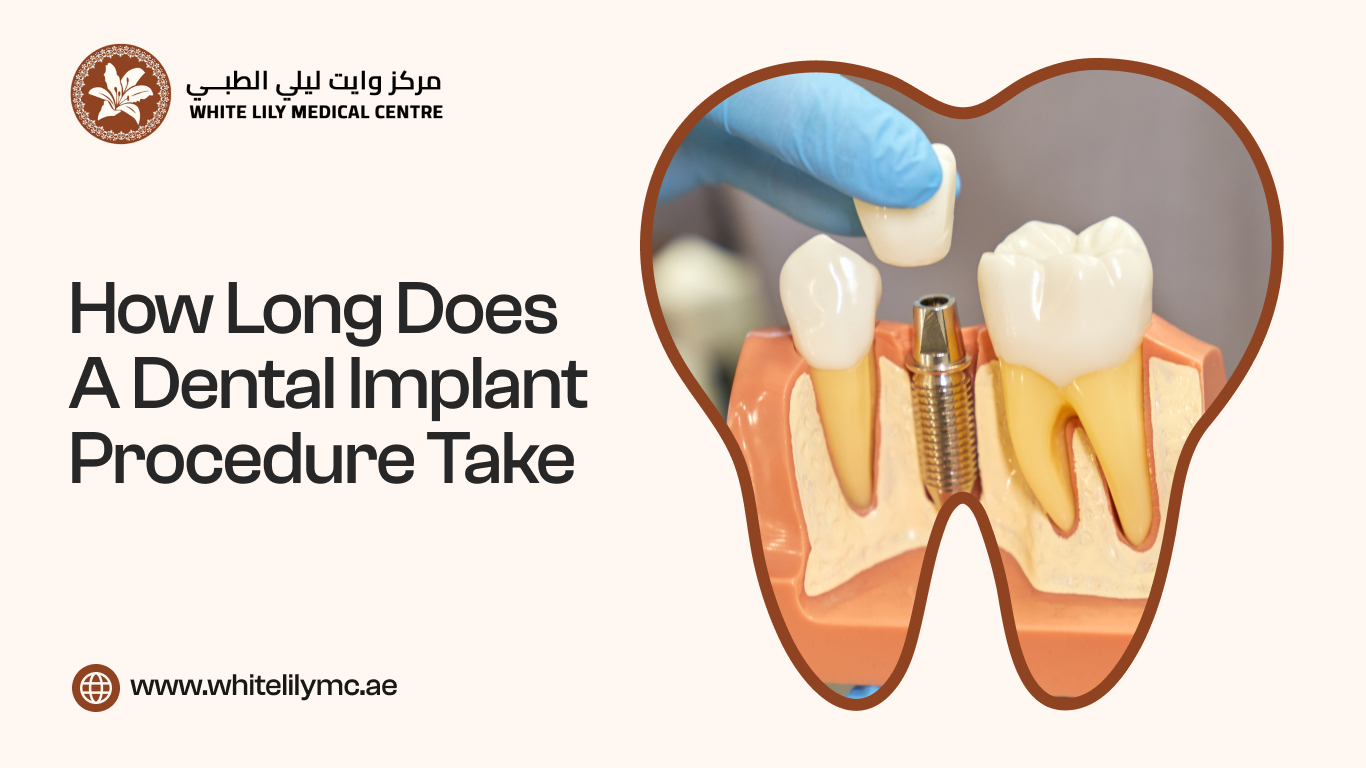
Dental implants are a reliable solution for replacing missing teeth and restoring natural function and appearance. If you are considering a dental implant, understanding the process and timeline is essential for planning your treatment and knowing what to expect.
What Is a Dental Implant
A dental implant is a titanium post that acts as an artificial tooth root, placed into your jawbone. The implant provides a stable foundation for crowns, bridges, or dentures. Dental implants are designed to last a lifetime when properly cared for, helping maintain bone structure and prevent shifting of your natural teeth. Your dentist will evaluate your oral health and jawbone to determine if you are a suitable candidate for dental implants. For professional care and advanced solutions, you can consult Dental Implant Services.
Factors That Affect How Long a Dental Implant Procedure Takes
The timeline for a dental implant procedure varies depending on several factors. Bone quality in your jawbone plays a key role because implants are only successful when they integrate with healthy bone. In some cases, bone grafting may be required to support the implant, which can extend the process.
Your dental health also affects the duration. If you have gum disease, cavities, or other oral health concerns, these may need to be treated before placement of the implant. The number of implants you need also impacts the timeline. Single implants usually take less time, whereas multiple implants or full-mouth reconstructions can require several months.
Healing ability is another important factor. Some patients recover more quickly, while others may need longer to ensure the implant properly fuses with your jawbone. Lifestyle habits, age, and medical conditions can influence this process.
The Initial Consultation
The process begins with an initial consultation with your dentist. During this visit, your dentist will examine your mouth, take imaging of your jawbone, and discuss your treatment plan. Your dentist will explain what to expect during the procedure, including preparation, placement of the implant, and recovery. This consultation usually takes about 30 to 60 minutes and helps create a clear plan for your dental implants and long-term success.
Preparatory Procedures if Needed
Some patients require preparatory procedures such as tooth extraction or bone grafting before implant placement. Bone grafting is necessary if your jawbone lacks the density to support the implant. Healing after these procedures can take several months. Your dentist will monitor your progress to ensure your jawbone is ready for the implant. In some cases, this step can take up to six months, and it is essential for long-term success.
Implant Placement Surgery
Dental implant surgery involves placing the implant into your jawbone. The procedure is performed under local anesthesia, and your dentist will guide the implant into the correct position. For a single implant, the placement of the implant generally takes about one to two hours. Your dentist may place a temporary crown during the same day to protect the site and maintain your appearance.
After the implant placement, the healing process begins. During this time, your implant integrates with your jawbone in a process called osseointegration. This is a critical step that allows the implant to become a strong, permanent foundation for your new teeth. Osseointegration can take three to six months depending on your healing ability and the quality of your bone.
Abutment Placement
Once your implant has fused with your jawbone, the abutment is placed. The abutment connects your implant to your new crown or denture. Your dentist will ensure the abutment is secure and properly positioned for the final restoration. Healing after abutment placement typically takes a few weeks. During this time, your mouth adjusts to the implant and prepares for the permanent crown.
Final Crown or Prosthetic Placement
The last stage of the dental implant procedure involves placing the final crown, bridge, or denture. Your dentist will custom-make your new teeth to match your natural teeth in shape and color. The placement of the crown usually takes about one to two hours. After this step, your implant is fully functional, and you can enjoy chewing and speaking naturally.
Dental implants are a process that requires careful planning and proper care. For patients seeking expert guidance and high-quality treatment,White Lily Medical Center provides comprehensive solutions and personalized care for your dental needs.
Same-Day Dental Implants
In some cases, your dentist may offer same-day implants. This approach allows the placement of the implant and temporary teeth in the same day. Same-day implants are not suitable for everyone, as they require sufficient bone density and careful planning. Your dentist will determine if same-day dental implants are appropriate for you based on your oral health and jawbone.
Tips for Supporting Healing
After a dental implant procedure, proper care is essential for success. Maintain excellent oral hygiene and follow your dentist’s instructions during recovery. Eating soft foods and avoiding smoking or excessive alcohol can support faster healing. Regular follow-up visits with your dentist ensure your implant integrates correctly and your mouth stays healthy.
Long-Term Benefits of Dental Implants
Dental implants are a permanent solution for missing teeth. They restore natural chewing ability, maintain facial structure, and improve confidence in your smile. When cared for properly, dental implants can last a lifetime and provide long-term stability for your mouth. Dental implants are designed to look and feel like natural teeth, making them a reliable choice for both function and appearance.
Common Questions About the Dental Implant Procedure
How long does a dental implant procedure take from start to finish
The process can take several months, from initial consultation to final restoration, depending on your jawbone, the number of implants, and any preparatory procedures if needed.
Can same-day implants be an option
In some cases, same-day implants are possible, allowing placement of the implant and temporary crown during the same day, but long-term success requires proper healing and careful planning with your dentist.
How many visits are required
Most patients attend four to six appointments, including consultation, implant placement, abutment placement, and final crown restoration. Follow-up visits ensure your implant is stable and your mouth is healing properly.
Does healing time vary by patient
Healing varies depending on your age, health, and oral condition. Younger patients often heal faster, but implants can be successful at any age with proper care.
Dental implants are a process that requires careful planning, precise surgery, and adequate healing. Following your dentist’s guidance throughout the process ensures your new teeth integrate properly with your jawbone, giving you a smile that is functional, natural, and long-lasting.

