
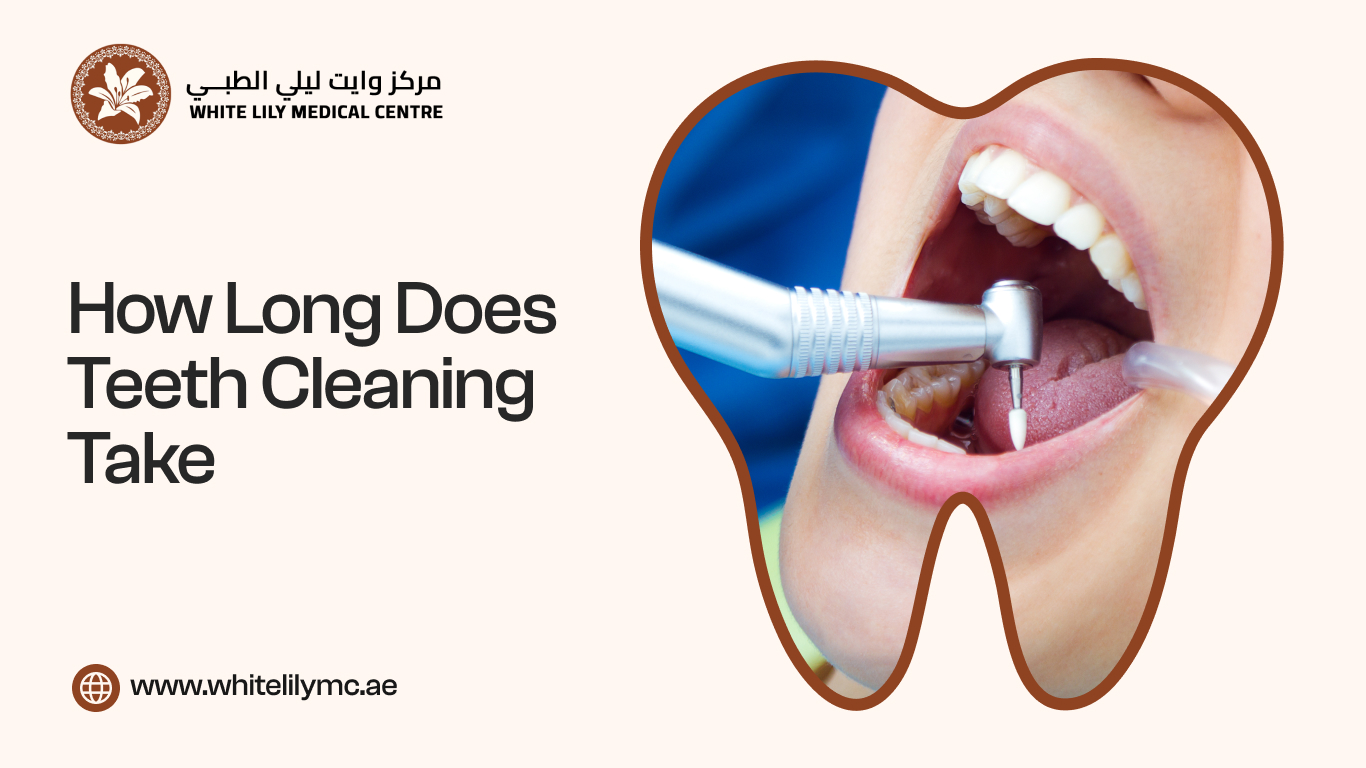
Understanding how long teeth cleaning takes is important for anyone planning a visit to the dental cleaning services at a dental office. The duration of a teeth cleaning session varies depending on several factors, including the individual’s oral health, whether it is a routine dental cleaning, or if more complex procedures like deep cleaning are needed. Professional teeth cleaning is a crucial part of maintaining good oral health and preventing oral health issues such as tooth decay, gum disease, and tartar buildup. Dental professionals, including dental hygienists, perform a thorough cleaning process to remove plaque and tartar while assessing overall dental health.
Most routine dental cleanings are scheduled for approximately 30 to 60 minutes. During this time, a dental hygienist carefully examines the teeth and gums, removes plaque and tartar, polishes the tooth’s hard enamel surface, and may provide a fluoride treatment. Patients who maintain good oral hygiene and attend regular dental visits often experience shorter sessions, while those with extensive tartar buildup, sensitive teeth, or other oral health issues may require longer visits. Understanding the steps of a teeth cleaning session helps patients know what to expect and plan their dental visit effectively.
For patients seeking comprehensive care, visiting Whitelily Medical Center ensures that professional cleaning and oral health needs are addressed by experienced dental professionals.
Dental Cleaning
Dental cleaning typically involves multiple steps that ensure optimal oral health and hygiene. The process begins with reviewing the patient’s dental history and conducting an initial examination. This allows the dental professional to identify any existing dental problems, such as early signs of tooth decay, gum disease, or other oral health issues. A small mirror and soft tissue examination help the dental hygienist evaluate the condition of the teeth and gums and detect areas with hardened plaque or remaining plaque that needs attention.
Next, the dental cleaning process focuses on removing plaque and tartar. Plaque is a sticky film that accumulates on the teeth and, if not removed through brushing and flossing, can harden into tartar, which is more difficult to remove. Tartar buildup along the gum line can lead to inflammation, gum tissue damage, and periodontal disease. Removing plaque and tartar during a professional cleaning ensures healthy teeth and gums while preventing future dental problems. Dental prophylaxis, or professional cleaning, is typically performed using specialized tools, including electric toothbrushes, ultrasonic devices, and hand instruments, to carefully clean each tooth.
Polishing follows the removal of plaque and tartar, and it removes surface stains while smoothing the tooth’s hard enamel surface. Fluoride gel or fluoride toothpaste may then be applied to strengthen the enamel and protect against tooth decay. This part of the teeth cleaning process may be especially beneficial for patients with sensitive teeth or those at higher risk of cavities.
Gum Disease
Gum disease is a common oral health issue that significantly impacts the duration of a teeth cleaning session. Patients with inflamed or infected gums often require additional time for careful scaling and root planing. Deep cleaning sessions target areas below the gum line, removing hardened plaque and tartar that cannot be addressed with routine cleaning alone. Periodontal disease requires ongoing attention, and dental professionals may recommend frequent visits to monitor the gum tissue and prevent further damage.
Patients with gum disease may also need extra time for fluoride treatment, thorough examination of the soft tissue, and education on maintaining good oral health practices. Maintaining good oral hygiene at home, including brushing and flossing, helps reduce the severity of gum disease and supports the results of professional cleanings.
How long does a Teeth Cleaning Take
The total time a teeth cleaning session takes depends on several factors. Routine dental cleaning for patients with good oral health and regular dental visits typically lasts between 30 and 60 minutes. This includes plaque and tartar removal, polishing, flossing, and a fluoride treatment. Patients who have not visited the dentist recently or who have significant tartar buildup may require longer sessions of 60 minutes or more. Deep cleaning sessions, performed for individuals with gum disease, can take up to two hours and are sometimes divided into multiple appointments for each section of the mouth.
Other factors that influence how long a teeth cleaning takes include the complexity of dental problems, the presence of sensitive teeth, and the patient’s comfort during the session. Dental professionals aim to provide a thorough examination while maintaining patient comfort, which may extend the time required for certain procedures. The use of advanced dental tools, such as ultrasonic scalers and electric toothbrushes, can also improve efficiency without compromising the quality of the cleaning process.
Fluoride Treatment
Fluoride treatment is often included as part of a professional teeth cleaning session to protect teeth from decay and strengthen enamel. Fluoride gel, applied at the end of the cleaning, creates a protective layer on the teeth that helps prevent cavities and improves overall dental health. Patients with sensitive teeth or those prone to cavities may benefit the most from fluoride treatment.
A typical fluoride treatment adds only a few minutes to the total session, but it contributes significantly to maintaining good oral health. Combined with regular dental cleanings, fluoride treatments support optimal oral health and reduce the likelihood of more serious dental problems in the future. Patients who follow good oral hygiene practices, including the use of fluoride toothpaste at home, maximize the benefits of professional fluoride applications.
Plaque and Tartar
Plaque and tartar are the main reasons for professional teeth cleaning. Plaque is a soft, sticky film that forms on the teeth due to bacteria, food particles, and saliva. If plaque is not removed through daily brushing and flossing, it hardens into tartar. Tartar is firmly attached to the tooth’s hard enamel surface and can only be removed by a dental professional.
Routine dental cleanings focus on removing plaque and tartar to prevent tooth decay and gum disease. Removing tartar buildup along the gum line is essential to protect the gums and maintain healthy teeth. Patients who adhere to good oral hygiene practices and attend regular cleanings experience less tartar buildup, making the cleaning process quicker and more efficient.
Deep Cleaning
Deep cleaning is recommended for patients with gum disease or significant plaque and tartar accumulation below the gum line. This procedure, often called scaling and root planing, targets areas of the teeth and gums that cannot be cleaned with standard dental cleaning. Deep cleaning helps prevent periodontal disease from progressing and reduces inflammation of the gum tissue.
Appointments for deep cleaning may last between 60 and 120 minutes, depending on the severity of gum disease and the patient’s oral health needs. Dental professionals may split the session into multiple visits to ensure each quadrant of the mouth receives thorough treatment. Patients who receive deep cleaning also benefit from follow-up visits and guidance on good oral hygiene practices to maintain results.
Cleaning Process
The cleaning process performed by a dental hygienist or dentist is comprehensive. It includes reviewing the patient’s dental history, performing an initial exam, removing plaque and tartar, polishing teeth, flossing, and applying fluoride treatment. The dental professional may also check for other oral health issues such as tooth decay, bad breath, or surface stains. Each step contributes to the overall effectiveness of the session and supports long-term dental health.
Dental offices typically schedule cleaning sessions according to the patient’s oral health needs. Regular cleanings help maintain good oral health and prevent more serious dental problems from developing. Maintaining good oral hygiene at home complements professional cleaning sessions and reduces the time needed for future appointments.
Oral Hygiene
Good oral hygiene is essential to reducing the duration and complexity of dental cleaning sessions. Patients who brush and floss daily, use fluoride toothpaste, and follow good oral hygiene practices experience less plaque buildup and fewer oral health issues. Regular dental visits combined with proper home care help maintain healthy teeth and gums and ensure routine cleanings remain quick and effective.
Dental professionals may provide guidance on brushing and flossing techniques, recommend electric toothbrushes, and suggest products such as gritty toothpaste to help remove surface stains. Patients who follow these recommendations often enjoy faster teeth cleaning sessions and better overall dental health.
Healthy Teeth
Professional teeth cleaning supports healthy teeth and optimal oral health. Removing plaque and tartar reduces the risk of tooth decay, gum disease, and periodontal disease. Patients who attend regular dental cleanings maintain strong teeth, healthy gums, and better overall health. Routine cleanings also allow the dental professional to detect early signs of dental problems, preventing more extensive treatment in the future.
Maintaining good oral hygiene at home and frequent dental visits ensures that teeth remain professionally cleaned, minimizing the risk of tartar buildup and other oral health issues. This proactive approach contributes to long-term dental health and enhances the patient’s confidence in their smile.
Initial Examination
Every professional teeth cleaning begins with an initial examination. The dental hygienist or dentist evaluates the teeth, gums, and soft tissue for any signs of dental problems. This examination identifies areas of concern, such as sensitive teeth, plaque buildup, or gum inflammation, and guides the cleaning process.
The initial exam is critical for patients with periodontal disease, tooth decay, or other oral health issues. It ensures that the dental professional addresses all areas of concern and tailors the cleaning session to the patient’s oral health needs. Early detection of problems during the initial examination allows for timely intervention and contributes to maintaining good oral health over time.
Dental Problems
Professional teeth cleaning also helps prevent common dental problems. Removing plaque and tartar reduces the risk of tooth decay, gum disease, and periodontal disease. Patients who maintain regular dental cleanings are less likely to experience dental issues and benefit from improved overall dental health.
Addressing dental problems early through routine cleaning and thorough examination allows dental professionals to provide preventive care and minimize the need for more invasive treatments. Maintaining healthy teeth and gums through consistent dental visits supports long-term oral health and overall well-being.
Initial Exam
The initial exam is an essential part of every teeth cleaning session. During this phase, the dental professional checks for dental issues, assesses the gum tissue, and identifies remaining plaque or tartar. This evaluation guides the cleaning process and ensures that each patient receives a personalized approach based on their oral health needs.
Patients with sensitive teeth, extensive tartar buildup, or a history of gum disease may require extra time during the initial exam and cleaning process. Dental professionals adjust their techniques to provide thorough care while minimizing discomfort. Regular initial exams combined with routine cleanings help maintain healthy teeth and gums and prevent long-term dental problems.
Conclusion
The time a teeth cleaning takes depends on multiple factors, including the patient’s oral health, the type of cleaning, the presence of gum disease, and the dental office procedures. Routine dental cleaning typically lasts between 30 and 60 minutes, while first-time visits or patients with significant tartar buildup may require 45 to 60 minutes. Deep cleaning for gum disease may take up to two hours and is sometimes split into multiple sessions.
Professional teeth cleaning is essential for maintaining good oral health, removing plaque and tartar, preventing tooth decay, and supporting healthy teeth and gums. Regular dental visits, good oral hygiene practices, and fluoride treatments ensure optimal oral health and overall dental health. By understanding the teeth cleaning process, patients can plan their visits, reduce anxiety, and maintain strong, healthy teeth through proactive care and frequent dental cleanings.

